
 English
 Arabic
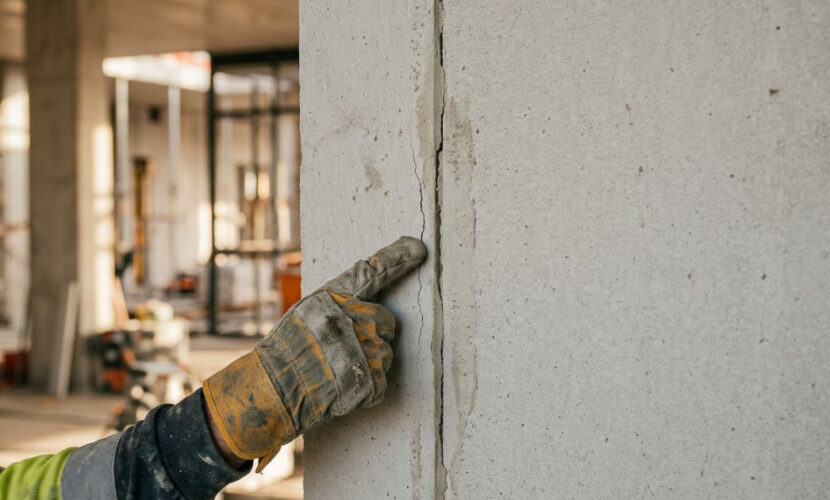
Lightweight concrete panel joint cracking usually has a site cause. Learn five common ones, from adhesive bed to slab deflection, and how to correct each.
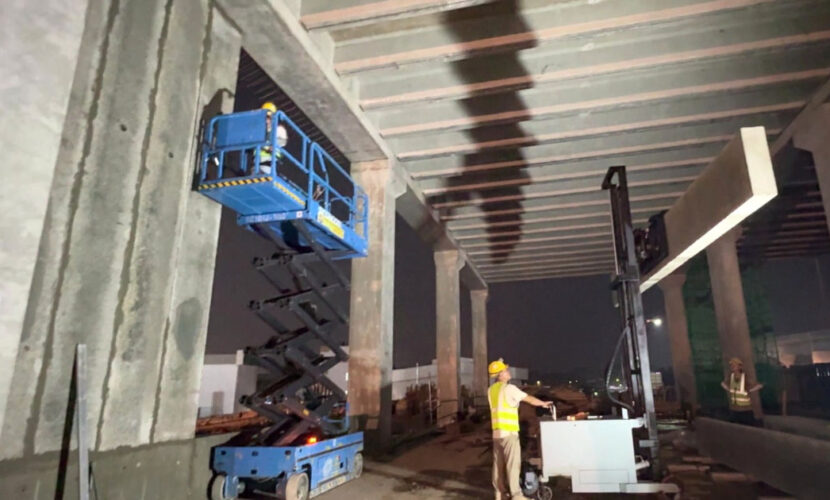
How long does one vPANEL take to install? A timed night shift on a Johor data centre site shows one panel set, fixed and checked in 13:45 with a panel installation machine.
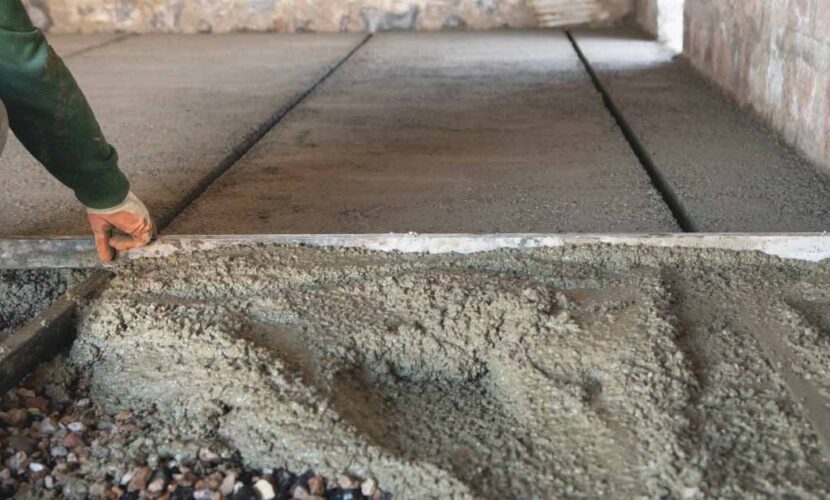
Raising a floor 80 mm before vinyl? Compare LIGHTHERM Drymix 250 with AAC block infill on weight, insulation, joints and site fit, with a worked 100 m² example.
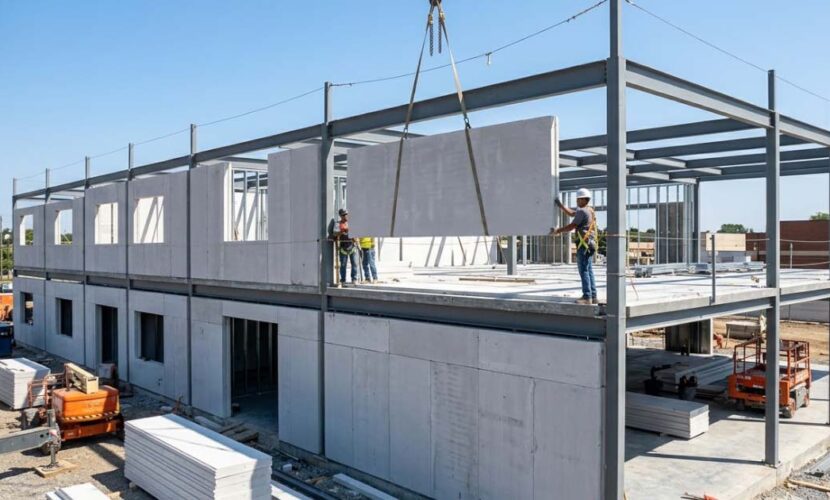
Autoclaved lightweight concrete panel vs reinforced concrete wall compared on dead load, construction speed, and M&E coordination, with a clear look at when switching from RC actually makes sense.
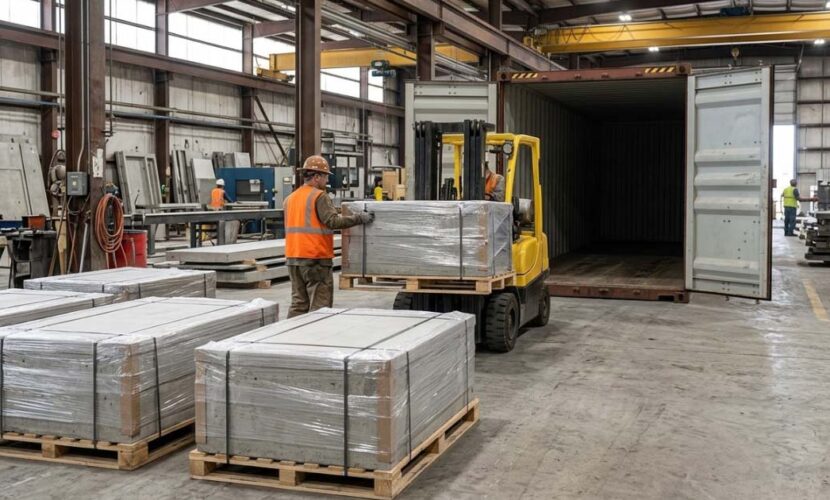
Vodapruf supplied customised-length vPANEL for the Miri Hospital project, cut and packed to the wall layout before shipment. See how matching panel length to the project reduces on-site cutting, offcuts, and cleanup.
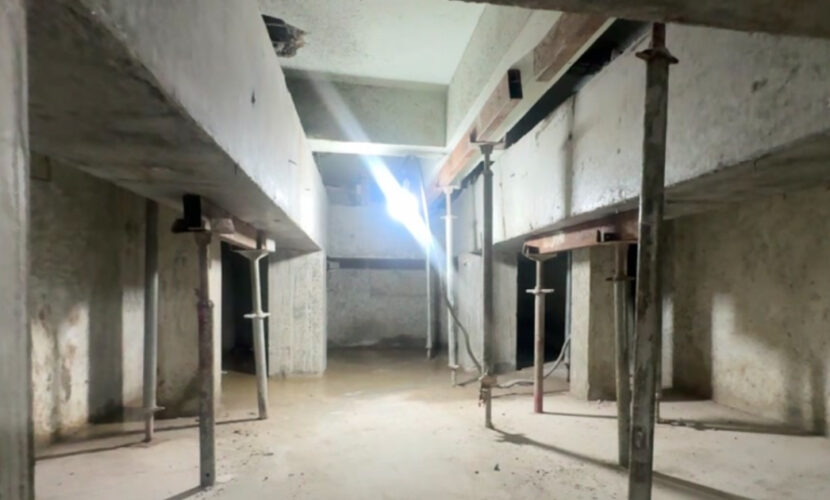
Filling restricted double-slab voids with low headroom, beams, and pipework calls for the right method. Compare the conventional XPS board and pour-in approach against Vodapruf's simplified LIGHTHERM Drymix Plaster method, which eliminates board handling, avoids upper-slab filling holes, and allows progressive inspection during placement.
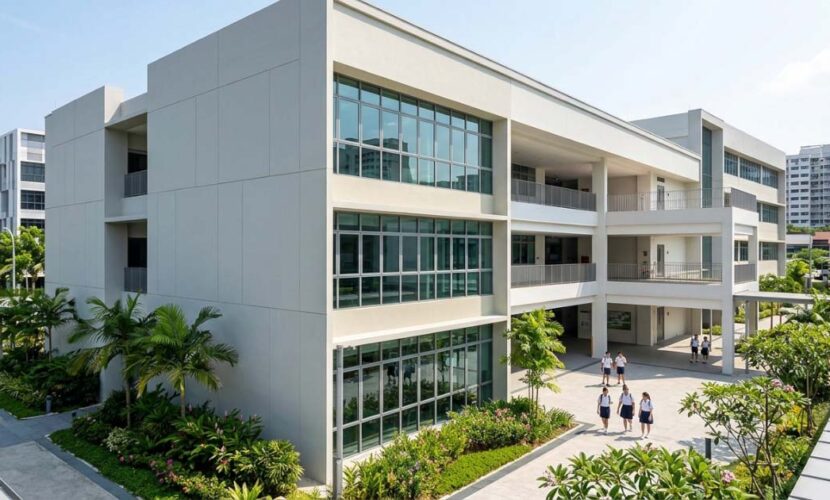
ALC panel for Singapore schools and government projects: acoustic separation between classrooms, fire compartmentalisation for critical areas, construction speed that minimises disruption to active facilities, and BCA Green Mark sustainability credentials, compared against RC block walls and conventional masonry.
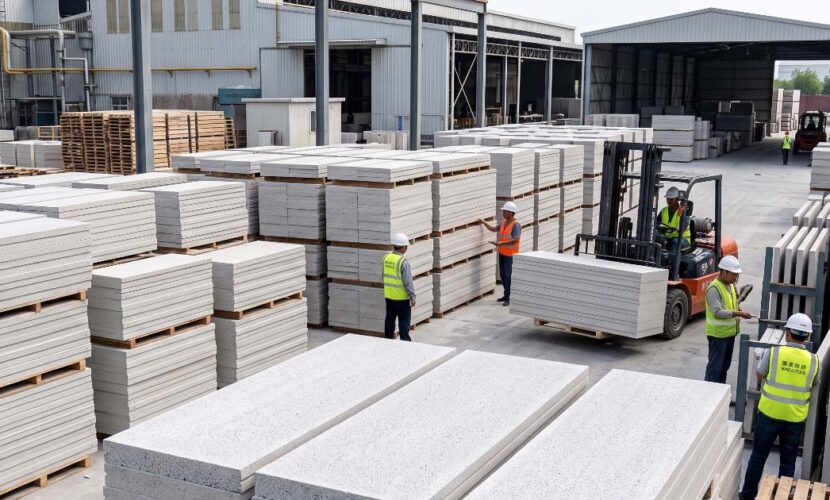
Non-autoclaved vs autoclaved ALC panel explained: how the curing method affects compressive strength, density, product consistency, environmental impact, and cost, with a verified technical comparison based on Vodapruf's own vPANEL manufacturing data.
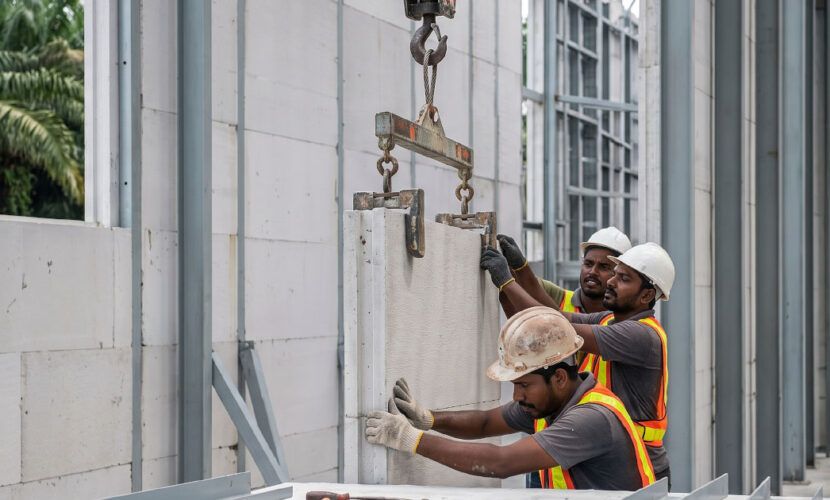
AAC wall panels for factories and warehouses in Malaysia and Singapore: suitability for large industrial spans, internal and external wall use, worker thermal comfort, installation timeline advantages, and comparison against fibre cement sheet, metal sandwich cladding, and tilt-up precast, with verified project references up to 25,000 square metres.
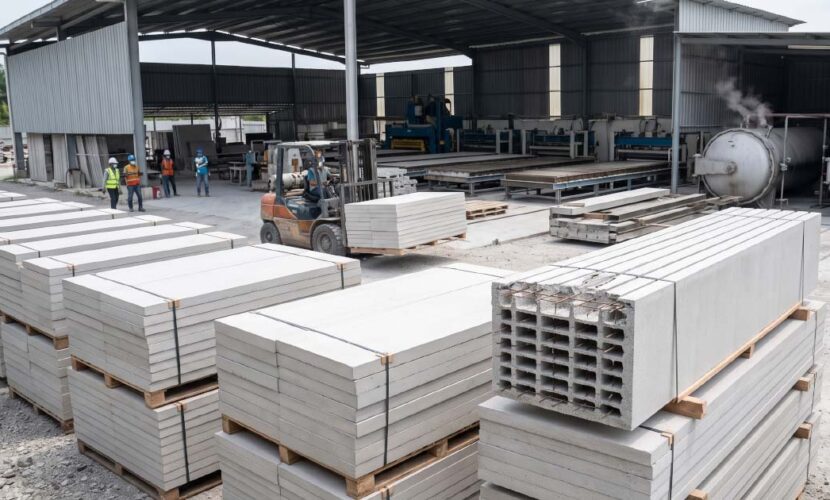
A guide to lightweight concrete panel manufacturers serving Malaysia and Singapore in 2026, covering Vodapruf, Starken AAC, Buildo Engineering, Lian Wang FortisLite, and Kinson Alam-Con, with guidance on what to verify before specifying a supplier.