
 English
 Arabic
AAC Block Malaysia — Complete Buyer's Guide 2026
If you’re looking for AAC block suppliers in Malaysia, or trying to decide whether AAC blocks are right for your project, you’re in the right place.
This guide covers everything you need to know: what AAC blocks are, their technical specifications, how they perform in Malaysia’s climate, typical pricing, and — if you’re open to it — why many Malaysian and Singapore contractors are now choosing vPanel ALC panels as a faster, more cost-efficient alternative.
Whether you decide to use AAC blocks or explore vPanel, this page gives you the information to make the right call for your project.
What Is an AAC Block?
AAC (Autoclaved Aerated Concrete) blocks are lightweight building blocks made from a mixture of sand or fly ash, cement, lime, water, and an aluminium powder foaming agent.
When aluminium powder reacts with the alkaline mixture, it produces hydrogen gas, creating millions of tiny air bubbles throughout the block. The blocks are then cured in a high-pressure steam autoclave, which gives them their characteristic lightweight strength.
AAC blocks are widely used in Malaysia for:
• Residential housing partitions and external walls
• Commercial office building interior walls
• Industrial factory partitions
• Any application where a lightweight, fire-resistant, thermally insulating wall is needed
Property | Typical AAC Block Value | Notes |
Material | Sand/fly ash + cement + lime + aluminium powder | Autoclaved curing process |
Density | 400–800 kg/m³ | 3–5× lighter than conventional concrete |
Block Size | 600mm × 200mm × 75–250mm (various) | Available in multiple thicknesses |
Compressive Strength | 2.5–7.5 N/mm² | Suitable for non-load-bearing walls |
Thermal Conductivity | 0.10–0.24 W/mK | Good thermal insulation |
Fire Resistance | 2–6 hours | Meets Malaysian building codes |
Water Absorption | Up to 20% | Requires proper waterproofing in wet zones |
Price Range (Malaysia) | RM 1.50–RM 3.50 per block (est.) | Varies by thickness and supplier |
How Are AAC Blocks Made in Malaysia?
AAC blocks go through the following manufacturing process:
1. Raw material mixing — Sand or fly ash, cement, lime, water, and aluminium powder are combined into a slurry.
2. Pouring and rising — The mix is poured into large moulds. Aluminium powder reacts with lime to produce hydrogen gas, causing the mixture to rise like bread dough, creating the aerated cellular structure.
3. Pre-curing — The blocks partially harden at room temperature for 2–4 hours.
4. Wire cutting — The hardened slab is cut to the required block dimensions using steel wires with precision cutting equipment.
5. Autoclaving — The cut blocks are placed in an autoclave (a pressurized steam chamber) at 180–200°C for 8–12 hours. This process gives AAC its final strength and dimensional stability.
6. Quality testing — Blocks are tested for compressive strength, density, and dimensional accuracy before leaving the factory.
The autoclaving step is what makes AAC blocks expensive to produce — it requires significant energy and capital investment. This is one of the reasons why non-autoclaved alternatives like Vodapruf’s vPanel ALC panels can often be priced more competitively while delivering similar or better performance.
AAC Block Technical Specifications
Malaysian construction projects typically specify AAC blocks under SIRIM MS 2514 standard. The following specifications apply:
Specification | Class A | Class B | Class C |
Dry Density | 400–500 kg/m³ | 501–700 kg/m³ | 701–800 kg/m³ |
Compressive Strength | ≥ 2.5 N/mm² | ≥ 3.5 N/mm² | ≥ 5.0 N/mm² |
Thermal Conductivity | ~0.10 W/mK | ~0.14 W/mK | ~0.20 W/mK |
Fire Resistance | 2–4 hours | 2–4 hours | 3–6 hours |
Best Use | Residential interior partitions | Commercial partitions / light industrial | Structural applications, external walls |
Common in Malaysia? | Most common | Common | Less common |
The Superior Alternative to AAC Blocks in Malaysia
Don't settle for slow installation and joint cracks.
While traditional AAC blocks are the standard for lightweight walls in Malaysia, Vodapruf vPanel ALC panels represent the next generation of lightweight construction technology. Our 1.5-meter panels deliver all the benefits of AAC blocks – fire resistance, thermal insulation, lightweight properties – but with 7.5x faster installation and 70% less labor costs.
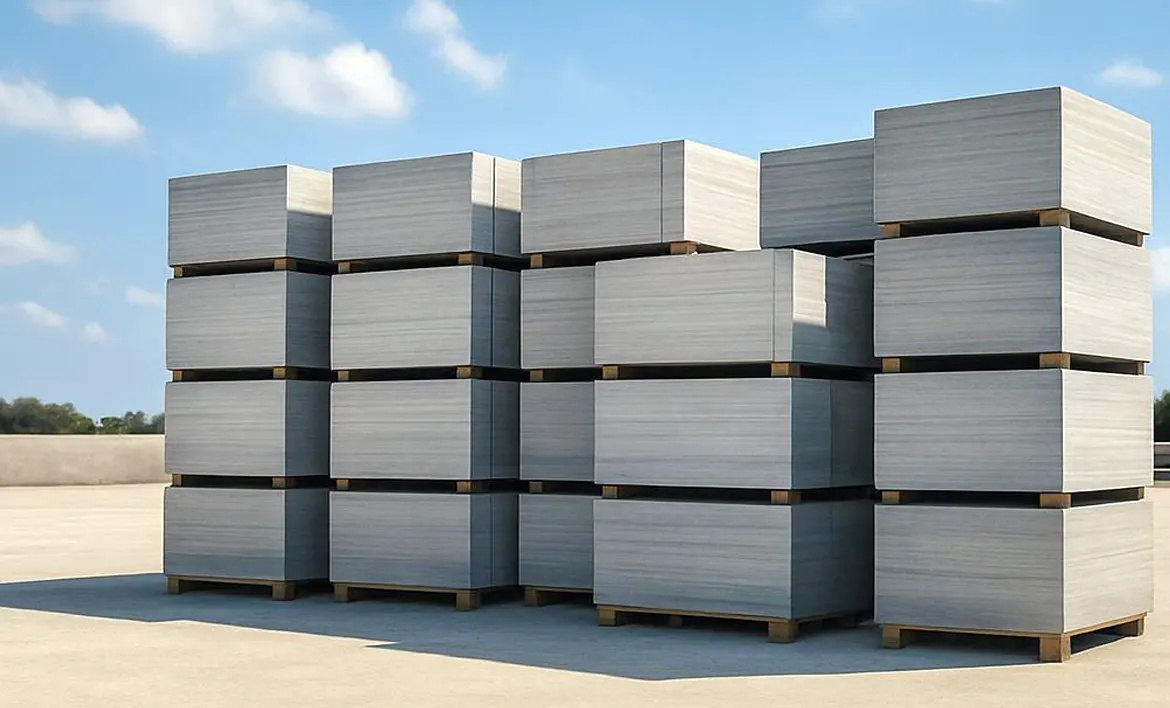
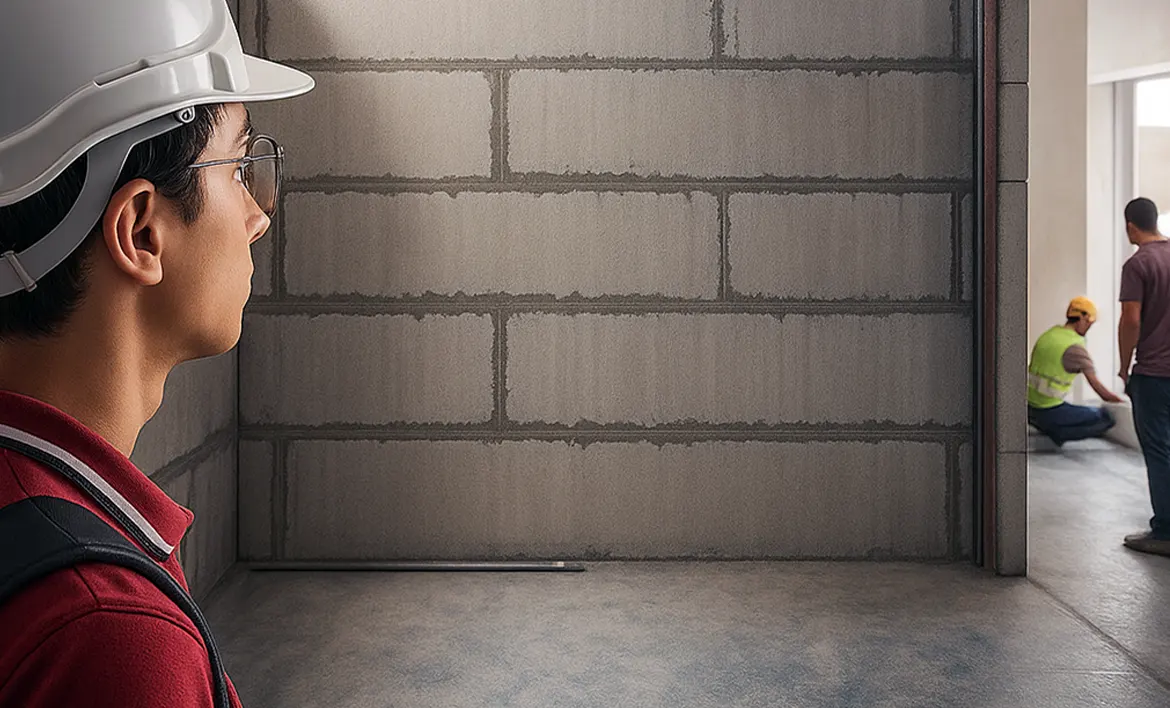
Introducing vPANEL SHORT PANEL
Comes in fixed length of 1.5metre (1500mm), thickness of 100mm/150mm/200mm
- LEFT Picture taken at our 5 acre factory in Kulai, Johor, Malaysia
- Using our advance formulation, panel is naturally dried cured for 7 days before sending to site.
We developed the vPanel Short Panel (1.5m length) to bridge the gap. It is not a heavy wall panel that requires a crane, but it is larger than a standard block. It is the perfect ‘Middle Ground’ for Singapore and Malaysia renovation and factory projects.
*RIGHT Picture of actual installation done on site 23 Tampines Street 92, Singapore (Food Factory)
Application @ Food Factory
7.5 times faster than AAC Block yet it meet the requirement of Singapore BCA buildability scoring, achieving a rating of 0.85.
- limited lift access to level 2,3,4,5 (max dimension of 1.5metre)
- Lower water absorbtion
- Lower cost than standard length panel
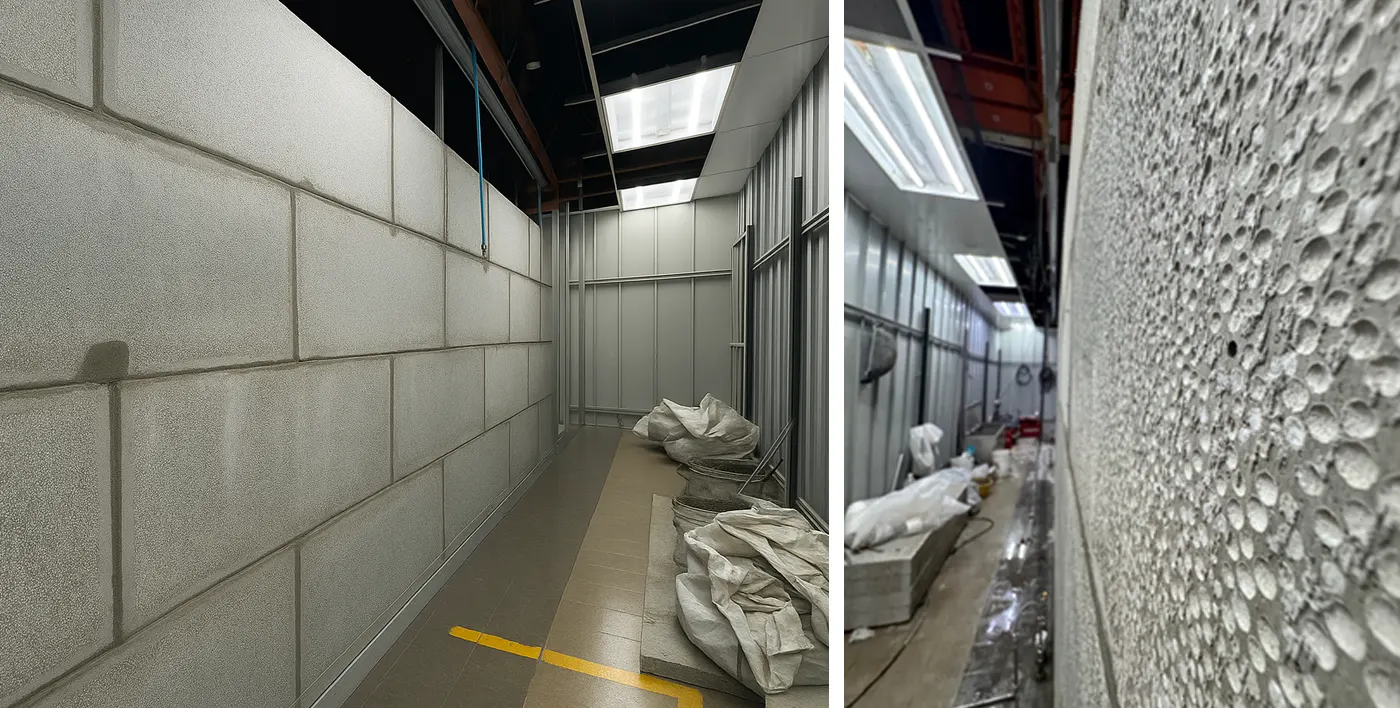
Application @ SICC (Singapore Inflight Catering Centre)
Comes in fixed length of 1.5metre (1500mm), thickness of 100mm/150mm/200mm
- LEFT Picture taken at our 5 acre factory in Kulai, Johor, Malaysia
- Using our advance formulation, panel is naturally dried cured for 7 days before sending to site.
*RIGHT Picture of actual installation done on site 23 Tampines Street 92, Singapore (Food Factory)
Lower Price, Faster Than AAC Block and Less Joints
It meet the requirement of Singapore Building Construction Authority’s Buidability Guideline, achieving LSI of 0.85
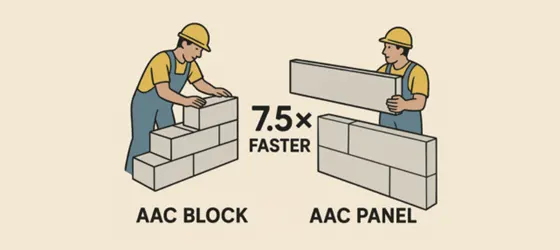

7.5x Faster

Low Labor

Cost Saving
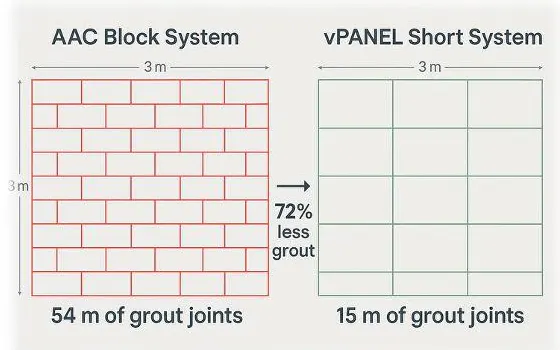

70% Grout Saving

Less Joint Crack
Cost Saving
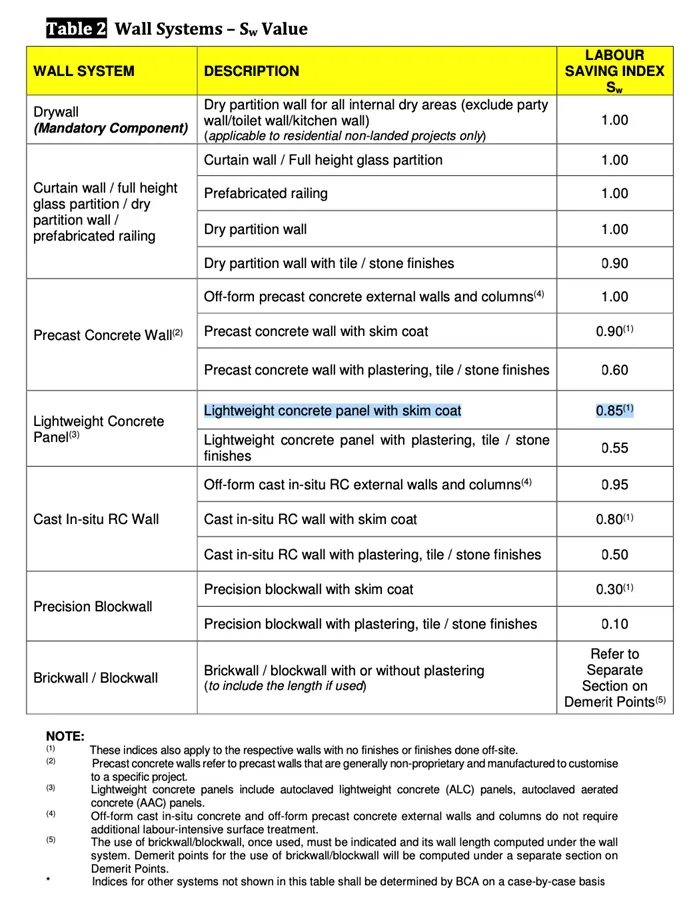

Wall Finishing Applications
Enhance your spaces with durable and stylish wall finishing solutions tailored for lasting performance and modern design.
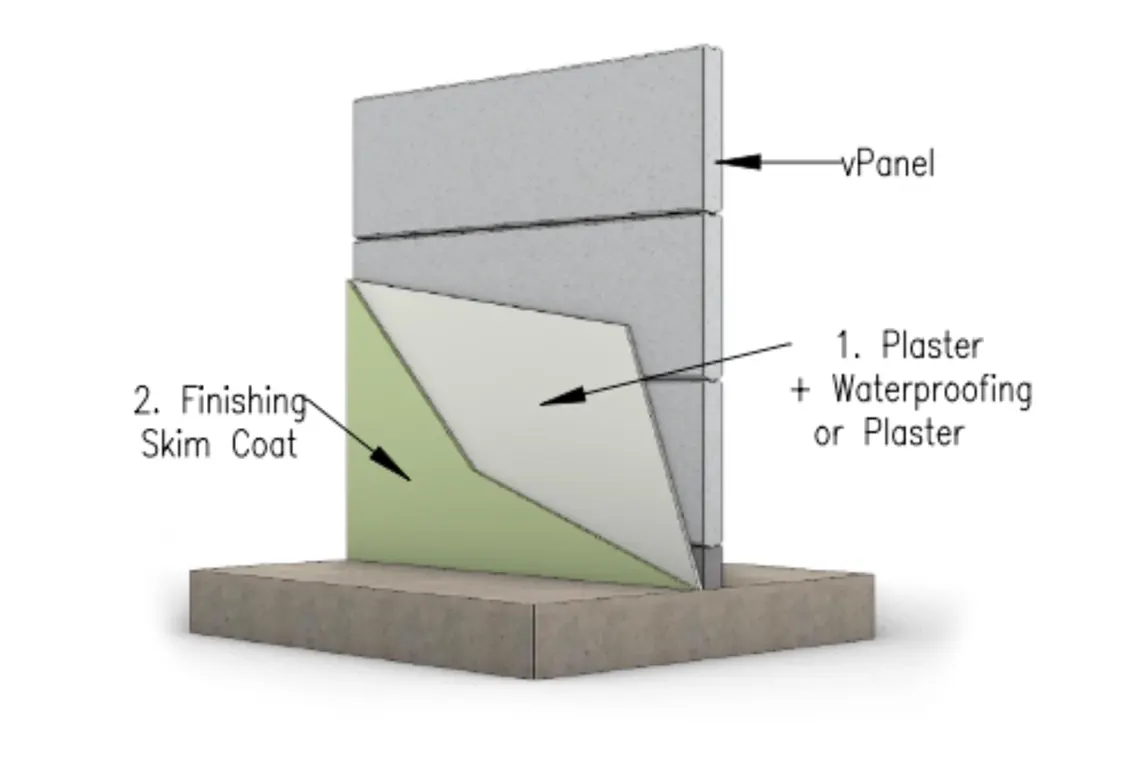
External Wall
Best Practice is to apply plastering layer (optional waterproofing), prior to the application of skim coat
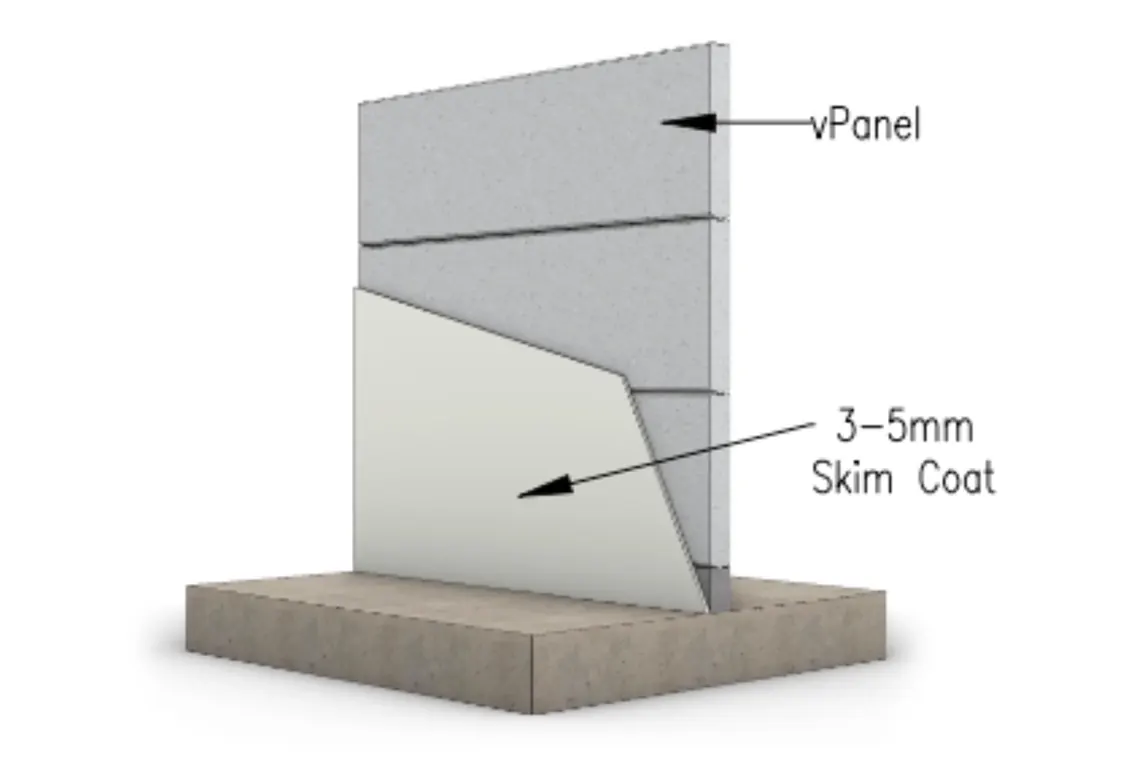
Internal Wall
vPANEL allows a direct skim coat (3-5mm) without the need of plastering layer
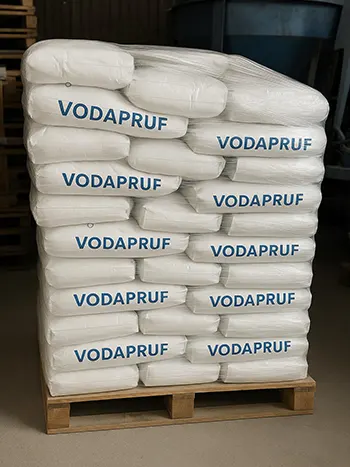
Full System with Better Crack Resistance
Client can consider bundle vPANEL with VODAPRUF prepacked mortar:
- vADHESIVE Jointing Mortar
- vBASESKIM Skim Coat
Our prepacked mortar uses a higher performance polymer and cellulose-ether, ensuring a proper curing and less shrinkage crack overtime.
Efficient Logistics & Shipment
VODAPRUF ensures smooth and reliable delivery for both overseas and regional projects, with optimized shipment methods for maximum efficiency.
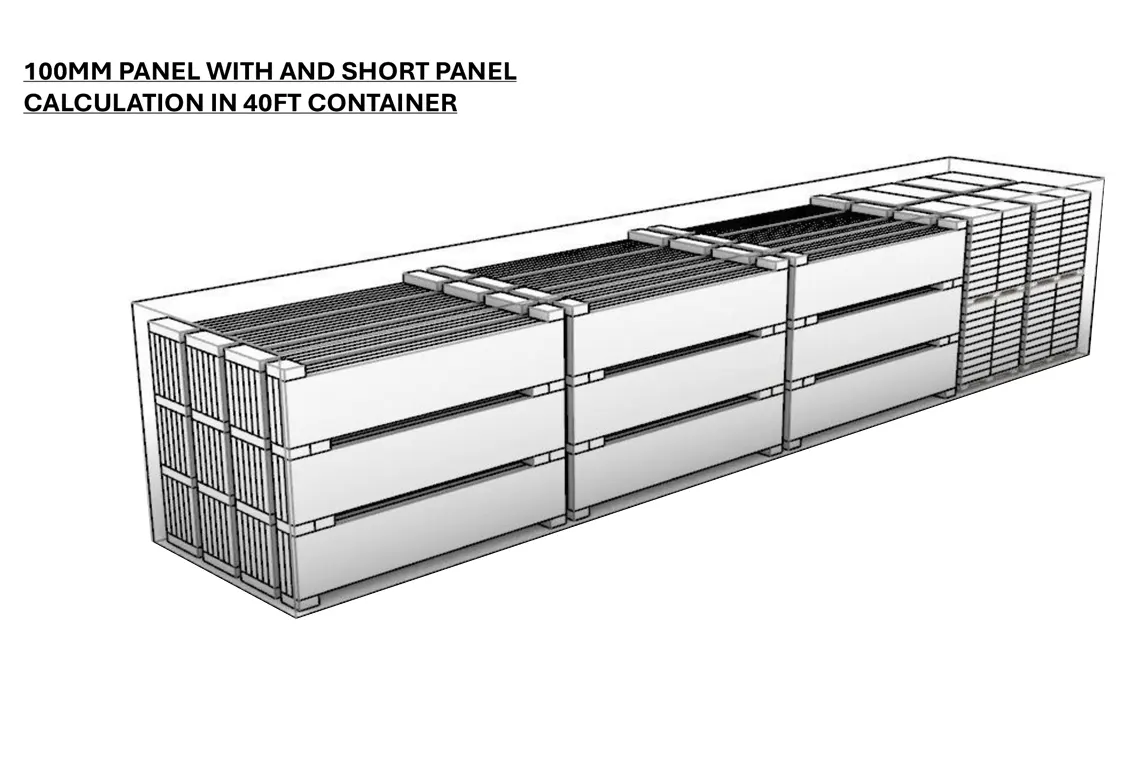
Overseas Shipment
For overseas shipment, VODAPRUF Stacking method allows a total of 436.2 m2 of vPANEL to be sent per 40ft container
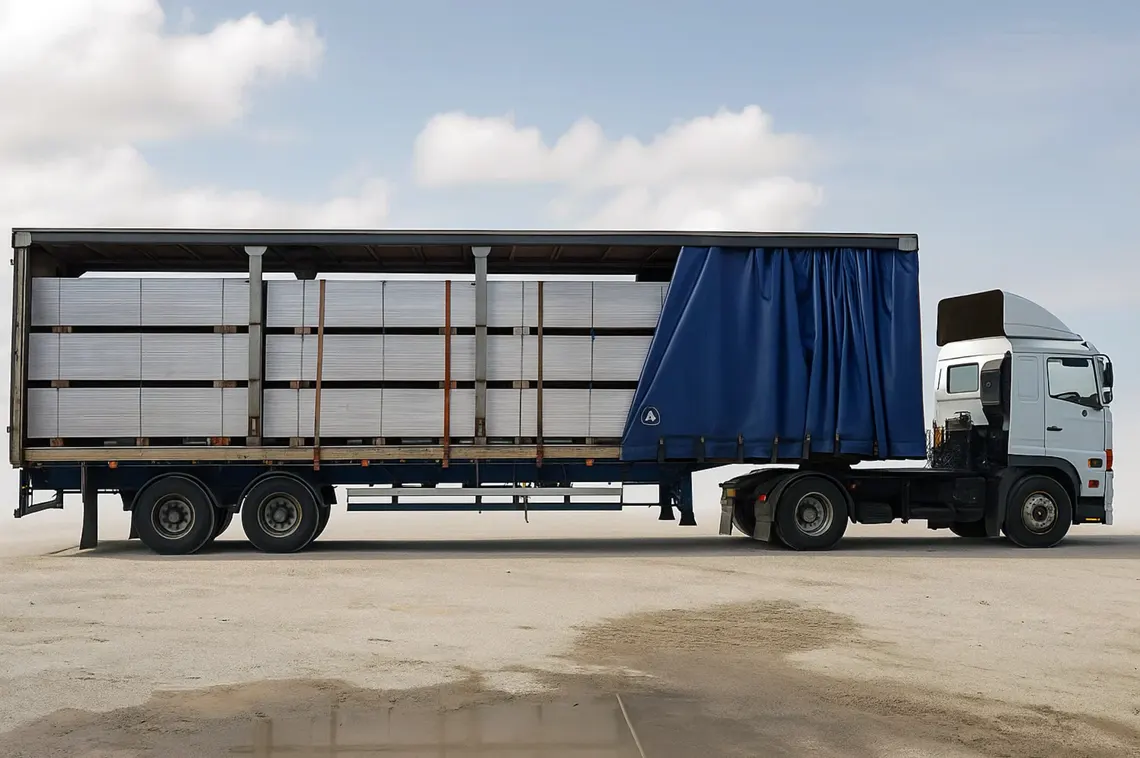
Malaysia and Singapore Shipment
Per lorry of 40ft are able to deliver up to 518.4m2 per trip
Ready to Speed Up Your Site?
Get your custom Quote today.
What is the price of AAC blocks in Malaysia?
AAC block prices in Malaysia typically range from RM 1.50 to RM 3.50 per block, depending on the thickness, density class, and supplier. Thicker blocks (150mm+) and higher-density blocks cost more. Prices can also vary by location — deliveries to Kuala Lumpur, Penang, or East Malaysia may carry additional freight costs. For bulk orders above 5,000 blocks, most suppliers offer negotiated pricing.
What is the standard size of AAC blocks in Malaysia?
The standard AAC block size in Malaysia is 600mm long × 200mm high, with varying thicknesses: 75mm, 100mm, 125mm, 150mm, 175mm, and 200mm. The most commonly used thickness for residential interior partitions is 100mm. For external walls or walls requiring higher acoustic or fire performance, 150mm or 200mm blocks are used.
Who are the main AAC block suppliers in Malaysia?
Major AAC block suppliers and manufacturers in Malaysia include Starken (Toyo Trading), Alamcon, and Ytong. These brands supply AAC blocks to residential, commercial, and industrial projects across Peninsular Malaysia. If you require a non-autoclaved ALC panel alternative — which installs 7.5× faster — Vodapruf manufactures vPanel from our Johor Bahru factory, supplying projects across Malaysia and Singapore.
Is AAC block stronger than conventional brick?
AAC blocks are lighter and thermally better than conventional clay bricks, but generally have lower compressive strength. A standard AAC block (Class B) has a compressive strength of about 3.5 N/mm², compared to a clay brick at 10–30 N/mm². This means AAC blocks are best used for non-load-bearing partition walls. For structural walls, conventional bricks or reinforced concrete are more appropriate.
What is the difference between AAC block and ALC panel?
AAC (Autoclaved Aerated Concrete) blocks are small individual units that are stacked with mortar, similar to bricks. ALC (Aerated Lightweight Concrete) panels are large precast wall panels that span floor to ceiling in one piece. ALC panels install significantly faster — approximately 7.5× faster — and have fewer joints, reducing the risk of wall cracks. The trade-off is higher material cost per square metre, which is offset by lower labour costs on larger projects.
Can AAC blocks be used for external walls in Malaysia?
Yes, AAC blocks can be used for external walls in Malaysia, but they require proper waterproofing. AAC blocks have water absorption up to 20%, which means untreated external walls can absorb moisture in Malaysia’s tropical climate. Best practice is to apply a waterproofing render coat or external plaster before painting. For wet or high-humidity areas (bathrooms, food processing plants, external facades), consider using higher-density AAC blocks or alternative materials with lower water absorption.
How do I choose between AAC blocks and vPanel ALC panels for my project?
The decision comes down to three factors: project size, timeline pressure, and site access.
• Choose AAC blocks if: Your project is under 1,000m² of wall area, you have a flexible timeline, and budget for materials is the primary concern.
• Choose vPanel ALC panels if: Your project is above 1,500m² of wall area, timeline matters (delay penalties), site access is limited (vPanel Short Panel at 1.5m length fits in standard lifts), or you want fewer joints and a more uniform finish.
Vodapruf offers a free project consultation to help you decide — contact us for a project-specific recommendation.
Download Center
Browse and download product brochures, test reports, and installation guides.